
Guides for families
Guides for families facing the loss of a pet
Dr. Amanda Dolian, DVM, wrote these guides for the questions families ask her most. If you're ready to talk, see how in-home pet euthanasia works.
Deciding when it is time

Making the decision: when to euthanize a pet
How to know when to euthanize a dog or cat. The signs to watch, the questions to ask your vet and what Dr. Dolian has learned from families.

Recognizing the signs: when to consider pet euthanasia
The signs that a dog or cat's quality of life is failing, from pain and appetite loss to behavior changes, and how to decide with your vet.

How to tell if your dog is in pain
The signs of pain in dogs, from limping and panting to hiding and changes in appetite, and what to do when you think your dog is hurting.
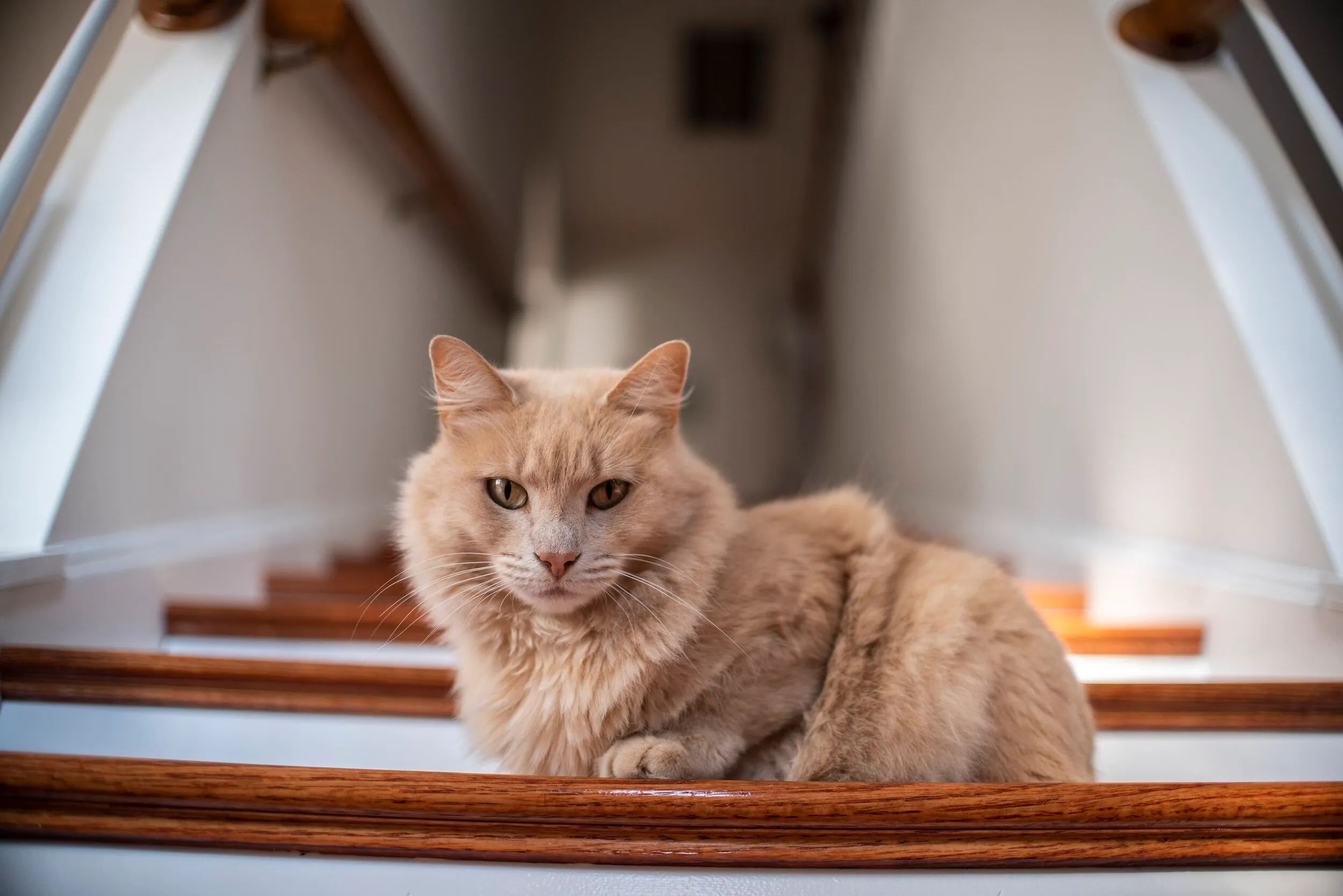
How to tell if your cat is in pain: signs, symptoms and what to do
Signs a cat is in pain, from hiding and litter box changes to fast breathing, and what to do next, from Frisco veterinarian Dr. Amanda Dolian.

Understanding dog dementia: causes, symptoms and care
Dog dementia (canine cognitive dysfunction) brings confusion, night waking and accidents to senior dogs. Signs, diagnosis, treatment and home care.

Palliative care vs. hospice for pets: understanding the difference
Palliative care eases a pet's symptoms at any stage, even during treatment. Hospice is comfort care at the end of life. How the two differ.

Providing comfort and dignity: a guide to pet hospice care
Pet hospice care keeps a pet comfortable at the end of life. What it includes, who is involved, when it fits and when to consider euthanasia.
The goodbye at home
What to expect during in-home pet euthanasia
The steps of an in-home euthanasia visit with Dr. Dolian, from the first call to sedation, the final injection, aftercare and her follow-up.

How to prepare for pet euthanasia at home
How to prepare for your pet's euthanasia at home, from choosing a veterinarian and aftercare to setting up a quiet spot and saying goodbye.
Understanding in-home pet euthanasia
What in-home pet euthanasia is, how a veterinarian does it at your home and why it is often calmer for pets than a trip to the clinic.

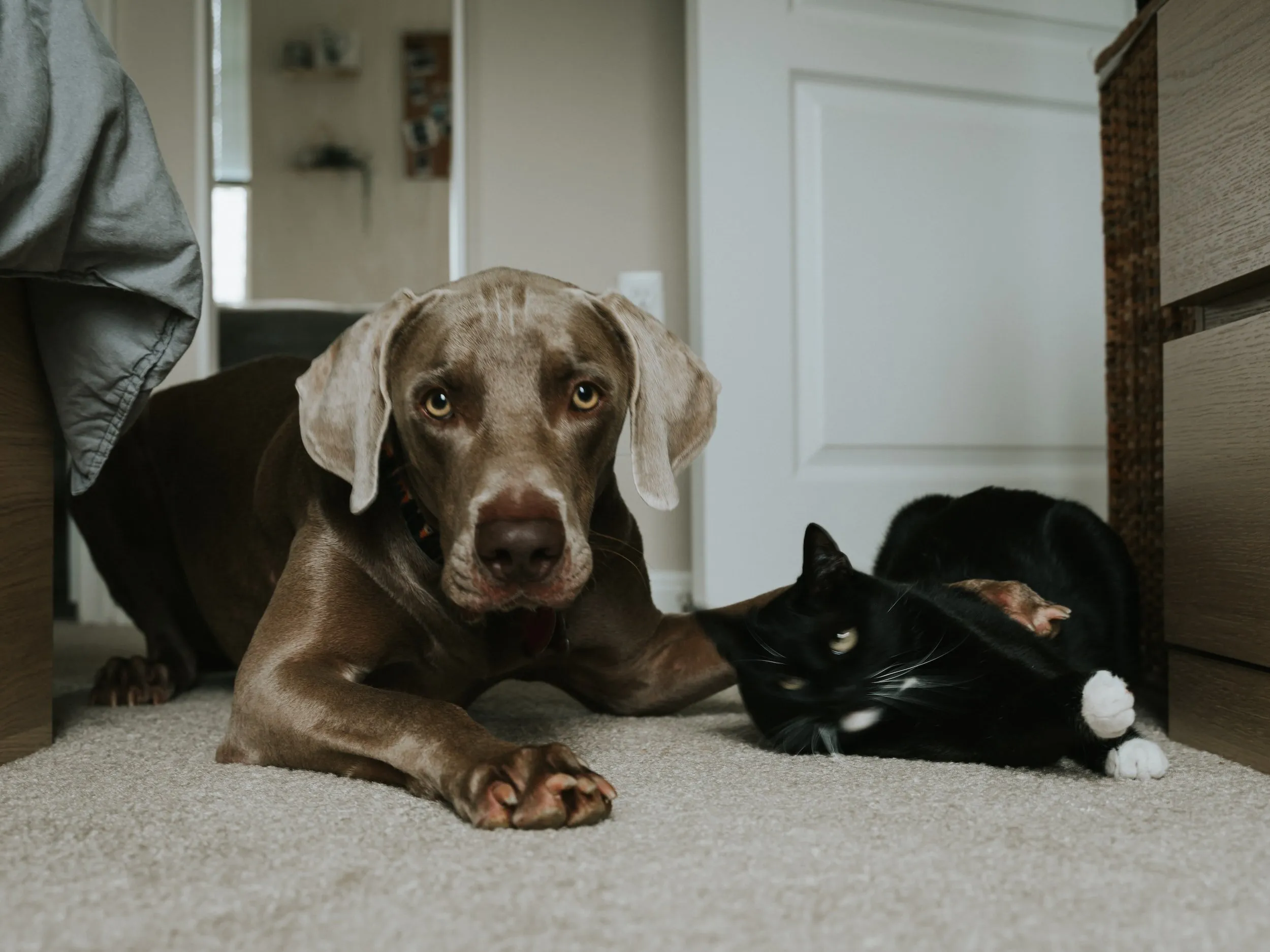
Including other pets during euthanasia
Whether your other dogs or cats should be there during a pet's euthanasia, how it can help them and when it is better to keep them in another room.

Coping with pet loss: helping young children
How to explain a pet's death to a child under 10, whether they should be at the euthanasia, and ways to help them grieve and remember.

How to bury a pet: a guide to saying goodbye
How to bury a pet: check local rules, mark utility lines, dig at least 4 to 5 feet deep, skip plastic and protect wildlife if your pet was euthanized.
Grief and remembering

Coping with pet euthanasia guilt and finding peace
Why guilt after pet euthanasia is so common, and practical ways to cope: support, the medical facts, a memorial, self-compassion and time.

Dealing with grief after pet euthanasia
Five ways to cope with grief after pet euthanasia: let yourself grieve, reach out, make a memorial, look after yourself and get help if needed.

Understanding pet grief in dogs and cats
Dogs and cats can grieve a lost companion. The signs to watch for, what triggers pet grief and how to help a grieving pet at home.

Self-compassion when grieving the death of a loved one
How self-compassion and the RAIN practice (recognize, allow, investigate, nurture) can ease the guilt and self-blame that follow a pet's death.
Remembering your pet: ways to honor their memory
Pet memorial ideas after euthanasia: a memorial space, paw prints, jewelry with ashes, a tree, a donation, a scrapbook, a letter and a eulogy.
Caring for an older pet

Adding years to their tails: care tips for dogs and cats
Regular vet visits, good food, a healthy weight, daily exercise, brain games and dental care help dogs and cats live longer, healthier lives.