
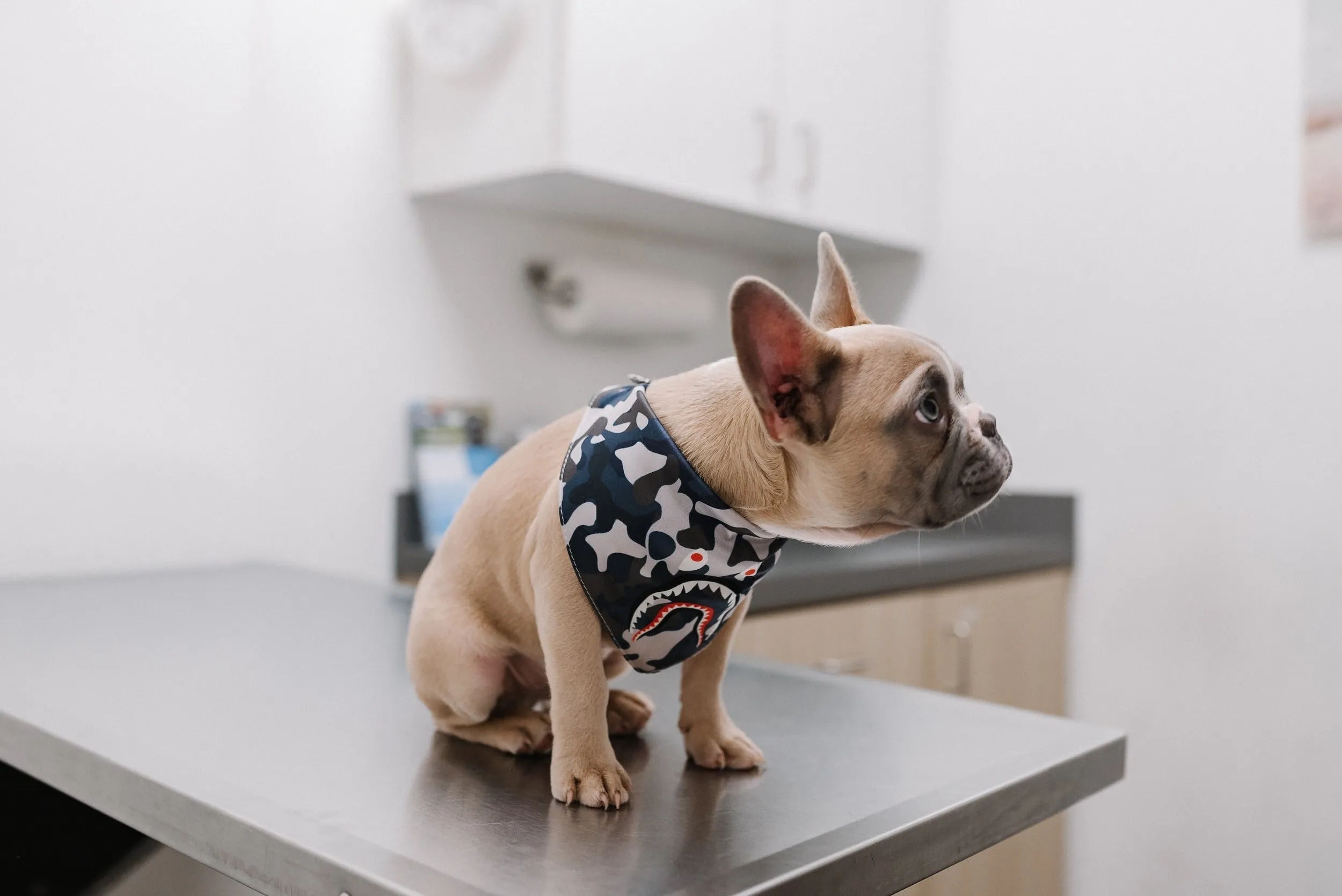
Six habits help dogs and cats live longer, healthier lives. They are regular checkups, a balanced diet, a healthy weight, daily exercise, mental stimulation and grooming with dental care. Together they catch problems early and prevent many of the conditions that shorten a pet’s life.
Dr. Dolian spends her days with pets at the end of their lives, through her in-home pet euthanasia service in Frisco. These are the habits that help keep that time far off. Every pet is different, so check with your veterinarian before making big changes to your pet’s care.
Regular veterinary checkups
Regular checkups catch health problems early. Your veterinarian tracks your pet’s weight, checks their teeth and gums and listens to their heart. Neither of you may enjoy the visit, but it’s one of the most useful things you can do.
Good food and a healthy weight
A balanced diet is key to a long life. Look for a pet food that lists an animal protein, such as chicken, beef or fish, as the first ingredient.
Treats should be no more than 10% of your pet’s daily calories. Too many treats lead to obesity, which can shorten a pet’s life.
Daily exercise
Exercise keeps weight down, keeps the heart strong and helps mental health. It’s also good time together.
For dogs. How much exercise a dog needs depends on age, breed and health. Many dogs need at least 1 hour a day, and active breeds need more. Split it into walks, play and training.
Walks give your dog new sights and smells as well as exercise. Vary the route to keep it interesting. Fetch, tug-of-war and agility training burn energy too, at an intensity that suits your dog’s age and health.
For cats. Cats need exercise too, even if they seem to prefer lounging. Toys that mimic prey, such as feathers or laser pointers, bring out their hunting instincts. Puzzle toys that release a treat keep them moving and thinking.
For both. Watch your pet so they don’t overdo it. Keep fresh water out, especially in hot weather.
Mental stimulation
Pets need mental exercise to stay sharp. It also helps prevent boredom and behavior problems.
For dogs. Training sessions make your dog focus and think, whether it’s “sit” or a harder trick. Use positive reinforcement: treats, praise or petting when they get it right. Puzzle feeders also slow down dogs who eat too fast.
For cats. Change up the toys so play stays interesting. Cats love to climb and watch from up high, so cat trees and shelves help. If it’s safe, a secure outdoor space adds new experiences.
Grooming and dental care
Regular brushing prevents mats and helps you spot skin problems early. Don’t skip the teeth. Regular tooth brushing prevents dental disease, which can lead to other serious health problems if untreated.
When your pet grows old
Even with the best care, every pet ages. If your older dog or cat is slowing down, these guides can help you notice what’s changing:
If you’re unsure how your senior pet is doing, Dr. Dolian offers a quality of life consultation by phone for $100. A quality of life scale is another way to track it at home.