
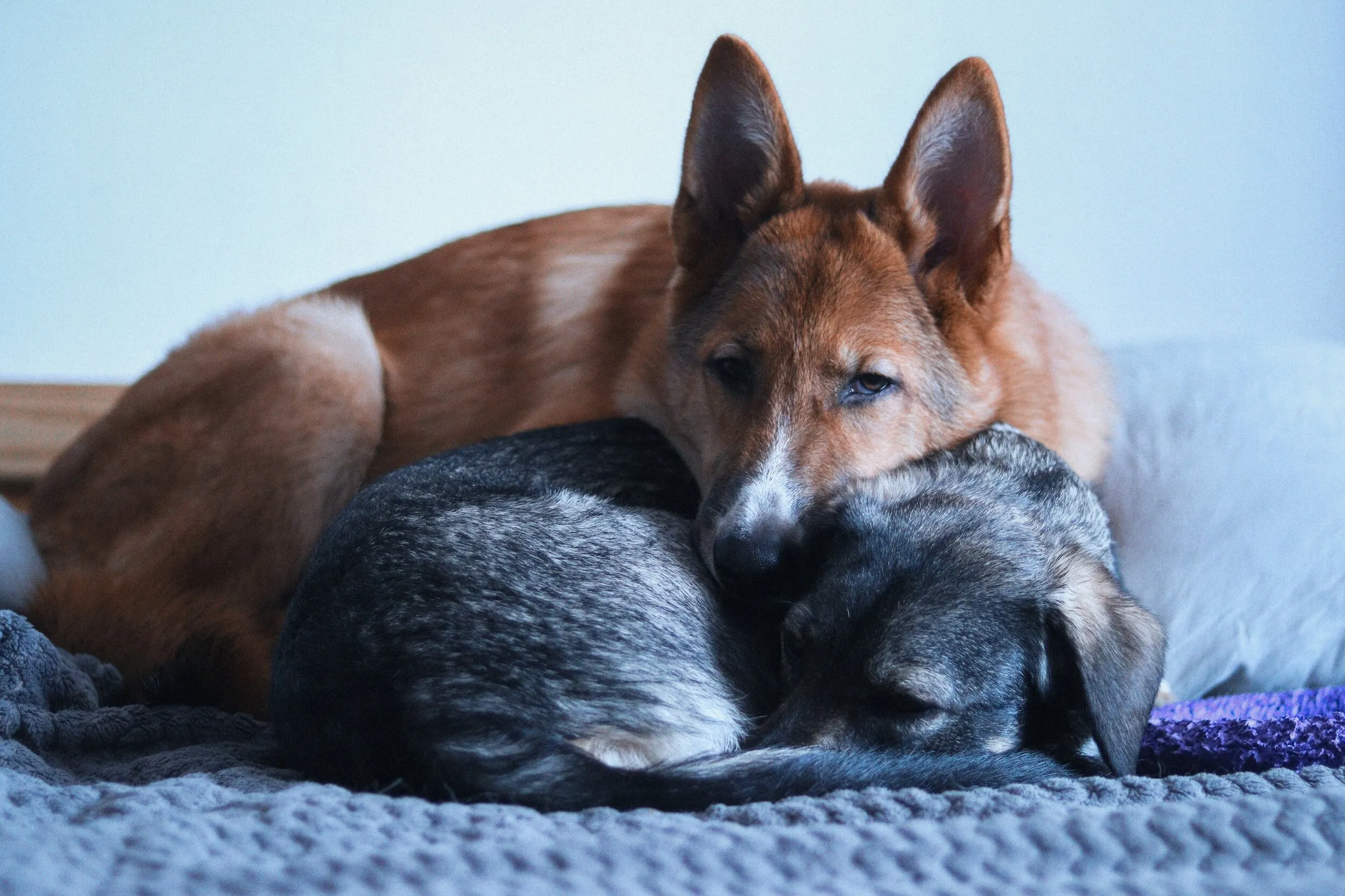
Other pets can be present during euthanasia, and for many households it helps. Seeing or smelling their companion after death may help a dog or cat understand that their friend is gone. If another pet would be restless or upsetting, keep them in another room and let them see their companion afterward.
When Dr. Amanda Dolian provides in-home pet euthanasia in Frisco, your family decides who is in the room, people and pets. This guide covers how pets react to loss, the reasons to include them and the reasons not to.
How pets react to a companion’s loss
Dogs and cats form strong bonds with their people and with other animals in the home. They notice changes around them, including a sick companion and an owner under stress.
- Stress or attention. Some pets watch over the sick pet more closely. Others become stressed, anxious or withdrawn.
- The strength of the bond. Pets who spent a lot of time together, or who were very attached, are more likely to be affected. Pets who ignored each other or didn’t get along may react very little.
- Grief-like behavior. Pets may eat or sleep differently, look for the pet who passed or vocalize more. Each pet reacts in its own way.
Why some families include other pets
Closure
Being there may help a pet understand that their companion has passed and won’t come back. That can mean less confusion and less searching later. Letting them see the pet after they have passed works too, if they shouldn’t be there for the procedure.
Comfort
Some pets comfort each other and the family. A calm dog lying nearby can be a support to everyone in the room.
Less isolation
A pet shut in another room may feel cut off and confused. Being nearby can help them feel part of the family during the goodbye.
Honoring the bond
For pets who were close, being together at the end is a way to honor that bond and their shared history.
When it may be better to keep them apart
Talk with the veterinarian first
Tell the veterinarian ahead of time that you’d like other pets there. They can help plan a calm setting for everyone. Dr. Dolian talks this through with families when they schedule euthanasia.
Know each pet’s personality
Some pets will be calm and comforting. Others may become agitated or stressed. A pet who jumps, barks or plays can also pull your attention away from the pet who is passing.
Think about young children
If young children are in the house, think about how the whole scene will feel to them. Read helping children under 10 cope with pet loss.
Keep the room quiet
The goodbye should happen in a quiet, peaceful setting. If another pet would keep the room from being calm, it’s better for them to wait elsewhere.
Caring for the pets left behind
Give your other pets extra affection and reassurance in the days after. They may need time to adjust, just as you do.
Understanding pet grief goes into more detail. For your own grief, Dr. Dolian keeps a list of grief support resources.
The choice is yours
Including other pets is a personal decision that depends on the animals in your home. The most important thing is that the pet who is passing has a calm, quiet goodbye.